
Pregnancy Care (Obstetrics) in Agra
Complete obstetric care — prenatal check-ups, delivery support, and postnatal follow-up.
About This Speciality
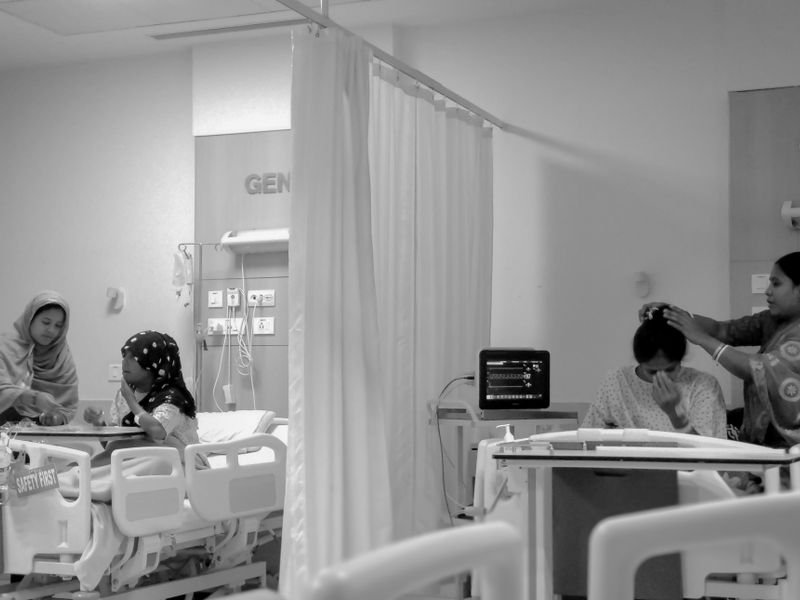
Our Pregnancy Care (Obstetrics) department supports mothers through every stage — from confirmation of pregnancy to delivery and postnatal recovery. We provide structured antenatal visits, ultrasound monitoring, nutritional guidance, and specialist care for both routine and high-risk pregnancies.
Why Choose Our Department
- Complete antenatal and postnatal obstetric care
- 3D/4D ultrasound and fetal monitoring
- Support for high-risk pregnancies with ICU backup
- Experienced obstetricians and delivery team
Services & Treatments
- Pregnancy registration and risk assessment
- Regular antenatal check-ups and investigations
- Ultrasound scans and colour doppler studies
- Diet and lifestyle counselling during pregnancy
- Labour, delivery, and C-section support
- Postnatal follow-up and lactation guidance
Pregnancy — Do's & Don'ts
A simple guide for a healthy, safe pregnancy
Do
- ✓ Take folic acid, iron & calcium supplements exactly as prescribed
- ✓ Eat a balanced diet — fruits, vegetables, whole grains, protein, dairy
- ✓ Drink 8–10 glasses of water daily
- ✓ Take regular moderate exercise / walking / prenatal yoga (as advised)
- ✓ Attend all antenatal check-ups, scans and blood tests on schedule
- ✓ Sleep 7–9 hours; rest on your left side in later months
- ✓ Take recommended vaccinations (Tetanus, Flu, others as advised)
- ✓ Monitor baby's movements daily after 28 weeks
- ✓ Wear the seatbelt properly, with the lap strap below the belly
- ✓ Maintain dental & general hygiene; wash hands frequently
- ✓ Manage stress with relaxation, family support and adequate rest
- ✓ Report bleeding, severe pain or reduced fetal movement at once
Don't
- ✗ Do not smoke, drink alcohol or use any recreational drug
- ✗ Avoid raw/undercooked meat & eggs, and unpasteurised dairy
- ✗ Limit caffeine to 1–2 cups of tea/coffee a day
- ✗ Never take any medicine without your doctor's advice
- ✗ Avoid heavy lifting and strenuous physical labour
- ✗ Do not skip meals or follow crash / weight-loss diets
- ✗ Avoid X-rays or radiation exposure without medical necessity
- ✗ Do not lie flat on your back for long periods after 20 weeks
- ✗ Avoid hot tubs, saunas and very hot-water baths
- ✗ Avoid high-mercury fish (shark, swordfish, king mackerel)
- ✗ Avoid contact sports and activities with a risk of falling
- ✗ Do not miss scheduled antenatal visits, even if you feel well
Pregnancy Diet Charts
Sample day plans for different pregnancy situations. These charts are general guides for patient education — quantities and food choices should be individualised by your doctor or dietitian.
Chart 1
Normal Pregnancy — Diet Chart
A balanced day plan for an uncomplicated, healthy pregnancy
| Meal / Time | What to Eat |
|---|---|
| Early Morning (6:30–7 am) | 5–6 soaked almonds/walnuts + a glass of warm water with lemon |
| Breakfast (8–9 am) | Vegetable poha / upma / idli / vegetable paratha (1 tsp ghee) + a glass of milk |
| Mid-morning (10:30–11 am) | One seasonal fruit (apple/orange/guava/pomegranate) + a few nuts |
| Lunch (1–2 pm) | 2–3 chapati/roti + dal + a green vegetable + curd/buttermilk + salad |
| Evening (4:30–5 pm) | Roasted chana / sprouts chaat / vegetable soup + herbal or milk tea |
| Dinner (7:30–8:30 pm) | Chapati or a small bowl of rice + dal + vegetable + salad |
| Bedtime (9:30–10 pm) | A glass of warm milk (with a pinch of turmeric) |
Key points
- Aim for ~300–350 extra kcal/day in the 2nd and 3rd trimester over your pre-pregnancy diet.
- Take folic acid, iron and calcium supplements exactly as prescribed by your doctor.
- Drink at least 8–10 glasses of water through the day.
- Prefer whole grains, seasonal vegetables and fruits, and home-cooked food.
- Limit fried, processed and very sugary foods.
Chart 2
Pregnancy with Hypertension — Diet Chart
Low-salt, potassium-rich modification of the standard plan
| Meal / Time | What to Eat |
|---|---|
| Early Morning | 5–6 soaked almonds/walnuts + warm water (no added salt snacks) |
| Breakfast | Vegetable daliya / oats / idli with sambhar (low salt) + a glass of low-fat milk |
| Mid-morning | Banana or papaya (potassium-rich) + a few unsalted nuts |
| Lunch | 2–3 chapati + dal (light salt) + green leafy vegetable + curd + cucumber-tomato salad |
| Evening | Boiled sprouts / vegetable soup (no added salt) + coconut water |
| Dinner | Chapati/rice (small portion) + dal + vegetable, cooked with minimal oil and salt |
| Bedtime | Warm milk (unsweetened) |
Key points
- Restrict added salt — avoid pickles, papad, chips, namkeen and processed/packaged foods.
- Include potassium-rich foods: banana, spinach, sweet potato, coconut water (as your doctor advises).
- Avoid deep-fried and high-fat foods; use minimal oil in cooking.
- Limit caffeine (tea/coffee) to 1 cup a day.
- Monitor blood pressure regularly and report headache, blurred vision or swelling immediately.
- This chart is a general guide — sodium restriction should be individualised by your doctor, especially if on medication.
Chart 3
Pregnancy with Diabetes (GDM) — Diet Chart
Low-GI, high-fibre, small frequent meals to keep sugar levels steady
| Meal / Time | What to Eat |
|---|---|
| Early Morning | 1–2 soaked almonds/walnuts + water (avoid fruit juice) |
| Breakfast | Vegetable besan chilla / moong dal cheela / multigrain toast with egg + milk (unsweetened) |
| Mid-morning | A small portion of a low-GI fruit (guava/apple/pear) with skin, not on an empty stomach |
| Lunch | 2 multigrain/mixed-flour roti + dal + vegetable + salad + curd (unsweetened) |
| Evening | Roasted chana / sprouts / vegetable salad + buttermilk |
| Dinner | 1–2 roti or a small bowl of brown rice + dal + vegetable + salad |
| Bedtime | A small glass of milk with a few soaked fenugreek (methi) seeds, if advised |
Key points
- Eat small, frequent meals (5–6/day) to keep blood sugar steady — never skip meals.
- Prefer whole grains and high-fibre foods over refined flour, white rice and sugar.
- Avoid sweets, fruit juices, sugary drinks, and limit high-GI fruits like mango, banana and grapes.
- Pair carbohydrates with protein or fibre (dal, curd, vegetables) at each meal.
- Monitor blood sugar as advised and adjust portions with your doctor/dietitian's guidance.
- Regular light activity (short walks after meals) helps control blood sugar — as approved by your doctor.
Chart 4
Twin Pregnancy — Diet Chart
Higher calorie and protein plan to support two babies
| Meal / Time | What to Eat |
|---|---|
| Early Morning | 6–8 soaked almonds/walnuts + warm water |
| Breakfast | Vegetable paratha/poha/upma with an extra serving of protein (egg/paneer) + milk |
| Mid-morning | One fruit + a handful of mixed nuts/seeds |
| Lunch | 3 chapati + dal + vegetable + extra portion of paneer/legumes + curd + salad |
| Evening | Sprouts chaat or a protein shake/milk + fruit |
| Snack (6–7 pm) | Roasted makhana/chana or a boiled egg |
| Dinner | 2–3 chapati/rice + dal + vegetable + salad |
| Bedtime | A glass of warm milk |
Key points
- Caloric needs are higher than a singleton pregnancy — roughly +600 kcal/day above pre-pregnancy needs (individualise with your doctor).
- Increase protein intake (dal, paneer, eggs, milk, legumes) to support the growth of two babies.
- Extra iron, calcium and folic acid supplementation is usually needed — take exactly as prescribed.
- Eat smaller, more frequent meals as space for the stomach reduces later in pregnancy.
- Stay well hydrated and rest adequately; watch for early warning signs of preterm labour.
- Weight gain targets differ for twin pregnancies — follow your doctor's individualised targets.
Chart 5
Pregnancy After Age 30 — Diet Chart
Extra emphasis on bone health, omega-3 and screening
| Meal / Time | What to Eat |
|---|---|
| Early Morning | 5–6 soaked almonds/walnuts + warm water with lemon |
| Breakfast | Vegetable oats/upma/idli + milk or a boiled egg for extra protein |
| Mid-morning | A fruit rich in antioxidants (berries/pomegranate/orange) + nuts |
| Lunch | 2–3 chapati + dal + vegetable + curd + salad |
| Evening | Sprouts/roasted chana + a portion of seeds (flax/pumpkin/sesame) for omega-3 |
| Dinner | Chapati/rice + dal + vegetable + salad |
| Bedtime | Warm milk with a pinch of turmeric |
Key points
- Extra attention to folic acid, calcium and vitamin D supports bone health and reduces neural tube defect risk.
- Include omega-3 rich foods (walnuts, flaxseeds, fish if non-vegetarian) as advised.
- Maintain steady, healthy weight gain — avoid excess calorie intake, especially if overweight.
- Increased vigilance for gestational diabetes and hypertension is usual after age 30–35 — follow all screening tests advised.
- Include antioxidant-rich fruits and vegetables (berries, citrus, leafy greens).
- Attend all scheduled scans and screening tests, which may be more frequent at this age.
Our Specialists



Related Specialities
Gynecology and PCOD/PCOS
Gynaecological care including PCOD/PCOS, menstrual disorders, and women's health.
General Surgery
Experienced surgical care with comprehensive pre and post-operative support.
Paediatric and Neonatal Care
Child and newborn healthcare — wellness visits, vaccinations, and neonatal support.
Book Appointment
Pregnancy Diet Charts
Sample day plans and key nutrition points for this speciality.
View diet chartsNeed Help Choosing?
Call our team for guidance on the right specialist for your condition.
+91 98370 25052 WhatsApp UsReady to Start Your Journey?
Book a consultation with our fertility specialists today.