Gynecology and PCOD/PCOS in Agra
Gynaecological care including PCOD/PCOS, menstrual disorders, and women's health.
About This Speciality
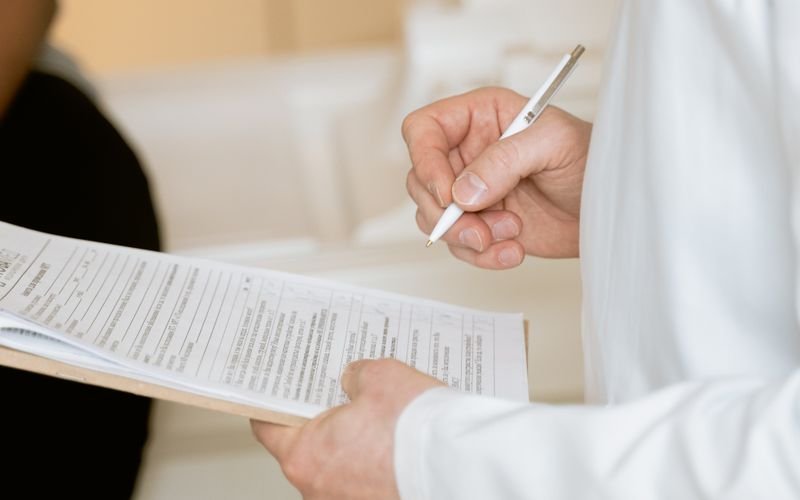
Our Gynecology and PCOD/PCOS services focus on women's reproductive health — from menstrual disorders and hormonal imbalance to PCOD/PCOS management, infections, and gynaecological surgery when needed. Care plans are personalized for long-term wellness and fertility support.
Why Choose Our Department
- Specialized PCOD/PCOS evaluation and treatment
- Confidential, patient-first gynaecology consultations
- Medical and surgical options under one roof
- Integrated fertility guidance when required
Services & Treatments
- PCOD/PCOS diagnosis, lifestyle, and medical management
- Irregular periods and heavy bleeding treatment
- Pelvic pain, fibroids, and ovarian cyst care
- Hormonal imbalance and infection management
- Preventive gynaecological screenings
- Laparoscopic and open gynaecological surgery
Gynaecology Diet Charts
Sample day plans for common gynaecological conditions. These charts are general guides for patient education — quantities and food choices should be individualised by your doctor or dietitian.
Chart 1
Perimenopause & Menopause — Diet Chart
Supporting bone, heart and hormonal health through the menopausal transition
| Meal / Time | What to Eat |
|---|---|
| Early Morning (6:30–7 am) | Warm water with soaked fenugreek seeds/lemon + 4–5 soaked almonds/walnuts |
| Breakfast (8–9 am) | Vegetable oats/daliya/besan chilla + a glass of milk or soy milk (calcium-fortified) |
| Mid-morning (10:30–11 am) | One fruit (papaya/orange/pomegranate/berries) + a few flax or pumpkin seeds |
| Lunch (1–2 pm) | 2–3 multigrain roti + dal/rajma/chana + a green leafy vegetable + curd + salad |
| Evening (4:30–5 pm) | Roasted chana / sprouts / soy chaat + green tea or herbal tea |
| Dinner (7:30–8:30 pm) | 1–2 roti or a small bowl of brown rice + dal + vegetable + salad |
| Bedtime (9:30–10 pm) | A glass of warm milk (plain, not sweetened) |
Key points
- Increase calcium and vitamin D intake (milk, curd, paneer, ragi, leafy greens) — bone loss accelerates after menopause.
- Include phytoestrogen-rich foods (soybean, soy milk, flaxseed, chana) which may help ease hot flashes for some women.
- Choose whole grains and high-fibre foods; limit refined flour and added sugar to help manage weight and blood sugar.
- Reduce spicy food, caffeine and alcohol if they seem to trigger hot flashes or disturbed sleep.
- Include heart-healthy fats (nuts, seeds, olive oil) — cardiovascular risk rises after menopause.
- Stay well hydrated and maintain regular weight-bearing exercise (walking) as advised by your doctor.
Chart 2
Women Above 60 Years — Diet Chart
Soft, protein-adequate meals to support strength, bone health and digestion
| Meal / Time | What to Eat |
|---|---|
| Early Morning | Warm water + 4–5 soaked almonds/walnuts (soft, easy to chew) |
| Breakfast | Vegetable daliya/upma/poha or a soft paratha + a glass of milk |
| Mid-morning | A soft, easy-to-digest fruit (banana/papaya/melon) or a small bowl of curd |
| Lunch | 2 soft roti or a small bowl of rice + dal + well-cooked vegetable + curd + salad (finely cut) |
| Evening | A cup of soup (vegetable/moong dal) or roasted makhana + herbal tea |
| Dinner | 1–2 soft roti or khichdi + dal + well-cooked vegetable (light, early dinner preferred) |
| Bedtime | A glass of warm milk, 1–2 hours before sleep |
Key points
- Ensure adequate protein at each meal (dal, milk, curd, paneer, eggs if non-vegetarian) to help preserve muscle strength.
- Continue calcium and vitamin D supplementation as advised — fracture risk is higher at this age.
- Include vitamin B12-rich foods (milk, curd, eggs) or supplements, as absorption reduces with age.
- Keep meals soft, well-cooked and easy to chew/digest; smaller, more frequent meals suit many women better.
- Ensure adequate fibre and fluid intake to prevent constipation, which is common in this age group.
- Limit salt and fried food, especially with associated blood pressure, heart or kidney conditions.
- Any specific medical conditions (diabetes, hypertension, kidney disease, osteoporosis) should further individualise this chart with your doctor's guidance.
Chart 3
PCOS — Diet Chart
Low-GI, anti-inflammatory eating to support insulin sensitivity and weight management
| Meal / Time | What to Eat |
|---|---|
| Early Morning (6:30–7 am) | Warm water with soaked methi (fenugreek) seeds + 4–5 walnuts |
| Breakfast (8–9 am) | Vegetable besan chilla / moong dal cheela / oats (no sugar) + a glass of milk |
| Mid-morning (10:30–11 am) | A low-GI fruit (apple/guava/berries/pear) + a few seeds (flax/pumpkin) |
| Lunch (1–2 pm) | 2–3 multigrain roti + dal/rajma/chickpeas + a vegetable + curd + salad |
| Evening (4:30–5 pm) | Roasted chana / nuts / sprouts salad + green tea |
| Dinner (7:30–8:30 pm) | 1–2 roti or a small bowl of quinoa/brown rice + dal + vegetable + salad |
| Bedtime (9:30–10 pm) | Warm milk with a pinch of turmeric, or herbal tea |
Key points
- Favour low-glycaemic-index, complex carbohydrates (whole grains, legumes) over refined flour, sugar and white rice.
- Include protein and fibre at every meal — this helps control blood sugar and appetite.
- Keep meal timings regular; avoid skipping meals, which can worsen insulin resistance.
- Include anti-inflammatory foods — turmeric, flaxseed, walnuts, leafy greens.
- Even a modest weight reduction (5–10% of body weight, where relevant) can meaningfully improve symptoms.
- Limit fried, processed and sugary foods and beverages, including packaged fruit juices.
- Combine diet with regular physical activity, as advised by your doctor, for the best results.
Chart 4
Post-Hysterectomy Recovery — Diet Chart
Gentle, protein- and fibre-rich meals to support healing after surgery
| Meal / Time | What to Eat |
|---|---|
| Early Morning | Warm water (add soaked almonds once your doctor clears solid diet advancement) |
| Breakfast | Soft idli / vegetable daliya / oats + a glass of milk |
| Mid-morning | Easily digestible fruit (banana/papaya) or coconut water |
| Lunch | Soft khichdi or rice + dal + a well-cooked vegetable + curd |
| Evening | Clear vegetable/moong dal soup or herbal tea + a light snack |
| Dinner | Light meal — khichdi or 1–2 soft roti + dal + well-cooked vegetable |
| Bedtime | Warm milk (once dairy is tolerated well) |
Key points
- Follow your surgeon's specific instructions on when to advance from liquids to soft food to a normal diet.
- Prioritise protein (dal, milk, paneer, eggs, well-cooked pulses) to support tissue and wound healing.
- Include fibre-rich foods and plenty of fluids to prevent constipation and straining, which is important after abdominal surgery.
- If there was surgical blood loss, include iron-rich foods (leafy greens, jaggery, dates) as advised.
- Avoid gas-forming foods (heavy legumes, cabbage, carbonated drinks) for the first 1–2 weeks, as they can cause discomfort.
- Eat smaller, more frequent meals rather than large ones while recovering.
- Avoid heavy, spicy or fried food until your doctor confirms you may resume a normal diet.
Chart 5
Anemia / Heavy Menstrual Bleeding — Diet Chart
Iron- and vitamin-C-rich eating to help rebuild healthy blood counts
| Meal / Time | What to Eat |
|---|---|
| Early Morning (6:30–7 am) | Warm water with soaked raisins/dates (or a small piece of jaggery) |
| Breakfast (8–9 am) | Ragi/vegetable daliya or an iron-fortified cereal + a citrus fruit on the side |
| Mid-morning (10:30–11 am) | Guava/orange/amla (vitamin C rich) + a few nuts |
| Lunch (1–2 pm) | 2–3 roti + dal/rajma/chana + a green leafy vegetable (palak/methi) + salad with lemon |
| Evening (4:30–5 pm) | Sprouts chaat with lemon + a seasonal fruit |
| Dinner (7:30–8:30 pm) | Roti/rice + dal + an iron-rich vegetable (beetroot/spinach) + salad |
| Bedtime (9:30–10 pm) | Milk, kept 2 hours apart from iron-rich meals/supplements |
Key points
- Include iron-rich foods daily: leafy greens, jaggery, dates, pomegranate, beetroot, and red meat/liver if non-vegetarian.
- Pair iron-rich meals with vitamin C (lemon, amla, citrus fruits, tomato) to significantly improve iron absorption.
- Avoid tea or coffee immediately before or after meals — the tannins in them reduce iron absorption.
- Keep calcium-rich foods or supplements (milk, curd) about 2 hours apart from iron-rich meals or iron tablets.
- Take iron and folic acid supplements exactly as prescribed, even if energy levels improve early.
- This diet supports treatment but does not replace it — the underlying cause of heavy bleeding needs evaluation and treatment by your doctor.
Our Specialists



Related Specialities
Pregnancy Care (Obstetrics)
Complete obstetric care — prenatal check-ups, delivery support, and postnatal follow-up.
General Surgery
Experienced surgical care with comprehensive pre and post-operative support.
Paediatric and Neonatal Care
Child and newborn healthcare — wellness visits, vaccinations, and neonatal support.
Book Appointment
Gynaecology Diet Charts
Sample day plans and key nutrition points for this speciality.
View diet chartsNeed Help Choosing?
Call our team for guidance on the right specialist for your condition.
+91 98370 25052 WhatsApp UsReady to Start Your Journey?
Book a consultation with our fertility specialists today.